Knowing how to choose the right shared office in Egypt can save you months of wasted time and money. Not every workspace is built the same, and what works for one business won’t necessarily work for yours. This guide covers what actually matters when making that decision, from defining your needs to evaluating providers before you sign.
Understand What a Shared Office Actually Offers
Before comparing prices or locations, it helps to understand what you’re buying into.
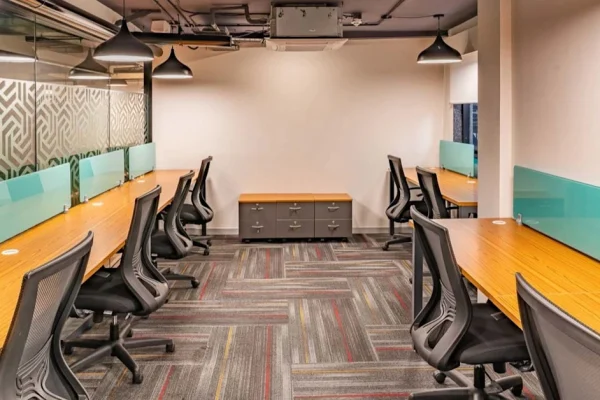
A shared office is a professionally managed workspace where multiple businesses and individuals work independently under the same roof. You get access to a furnished desk or private area, shared facilities like meeting rooms and reception, and often a legal business address.
This is different from renting a traditional office. You’re not responsible for fit-out, furniture, utilities, or maintenance. Everything is handled. That’s the core value: you walk in and work.
Some spaces focus on open hot-desking. Others offer dedicated desks or enclosed private offices within a shared environment. Knowing which model fits your way of working is the first step.
Identify Your Needs First
The most common mistake people make is choosing a space before they’ve clearly defined what they need from it.
Start with a few honest questions:
- How many days a week will you actually use the space?
- Are you working solo, or do you have a small team with you?
- Do you need to meet clients there, or is it purely for focused work?
- Do you need a legal business address in Egypt?
A freelancer who comes in three days a week has different priorities than a small business owner who needs a full-time base for a team of five. A remote team that needs a branch presence in Cairo has different requirements than a startup that’s scaling month by month. Your answers here shape everything else.
Ready to move in? Get started with a Shared Office Space Solution at Espaces.
Location: Choose a Space Close to Your Clients
Location matters, but not in the way most people think about it.
It’s not just about your commute. It’s about where your clients are, and what impression your address sends. A business address in a central commercial district carries more credibility than one in a residential area. When a client looks you up or visits, location is part of the first impression.
If you’re regularly moving between different parts of Cairo, or need to meet clients in multiple areas, access to more than one branch is a real operational advantage. A provider with multiple locations means you’re not locked into one spot.
Amenities: What a Shared Office Should Include
Not all shared offices offer the same level of service, and the gap between a basic desk rental and a fully managed workspace is significant.
At a minimum, a reliable shared office should include:
- Fully furnished workspace, ready from day one
- High-speed internet and IT support
- Reception and front desk services
- Cleaning and maintenance
- Meeting rooms available on demand
- A legal business address for registration purposes
The spaces that deliver all of this in-house, with a dedicated team rather than outsourced services, tend to run more smoothly day to day. Before signing anything, ask specifically what’s included in the price and what costs extra. Hidden fees are one of the most common frustrations tenants run into.
Flexibility: Check What Your Contract Actually Allows
One of the main reasons people choose a shared office over a traditional lease is flexibility. But not every provider actually delivers on that.
What to ask before you sign?
- Can I upgrade or downgrade my plan easily?
- What’s the notice period if I need to leave?
- Are there penalties for changing my setup mid-contract?
Some contracts lock you in for six months or a year. Others let you adjust month to month. For small businesses and freelancers, this matters more than most people realize upfront. Business needs change, and a space that can adapt with you is far more valuable than one that offered a slightly lower monthly rate.
Community: Look at Who Else Works There
The people around you in a shared office affect your daily experience, and sometimes your business.
A well-managed coworking space tends to attract serious professionals and growing businesses. That environment creates energy, and occasionally creates opportunities. Referrals, collaborations, and introductions often happen naturally in spaces where businesses are genuinely active. It’s not guaranteed, but it’s a real side benefit of choosing the right environment.
How to Evaluate and Compare Shared Office Providers
Once you’ve narrowed down your options, here’s how to actually compare them.
Track record
How long have they been operating in Egypt? A provider with 10+ years in the market has navigated real challenges and built real systems. That stability matters.
Number of locations
More branches means more flexibility for you, whether that’s meeting clients across different areas or simply having a backup option.
Services in-house vs. outsourced
Providers with in-house IT, legal support, admin, and maintenance tend to respond faster and operate more consistently.
Reviews and references
Talk to current tenants if possible. Online reviews help, but a direct conversation gives you a clearer picture.
Not sure which option fits your business? Talk to the Espaces team
Visit the Space Before You Commit
No checklist replaces an actual visit. When you go, pay attention to:
- How the team responds to your questions
- Whether the space feels well-maintained and professionally run
- The internet speed and reliability of the setup
- How busy it is, and whether that energy suits your working style
- Whether the meeting rooms and common areas are clean and functional
If a provider isn’t open to a visit before you sign, that’s a signal worth taking seriously.
Common Mistakes to Avoid When Choosing a Shared Office
Choosing on price alone
The cheapest option often comes with hidden costs, in fees, in downtime, or in time spent dealing with operational problems that a better-managed space would have handled for you.
Not visiting in person
Photos and websites don’t tell you everything. The energy of a space, the quality of the facilities, and the responsiveness of the team only become clear when you’re there.
Ignoring contract terms
Flexibility is one of the main reasons to choose a shared office. Don’t sign into a long lock-in without reading what you’re agreeing to.
Choosing based on today’s needs only
Think about where your work is going in the next six to twelve months. A space that can grow with you saves you the disruption of moving again.
Why Businesses in Egypt Choose Espaces?
Espaces has been operating in Egypt for over 14 years, making it one of the longest-standing and largest workspace networks in the country, with 16+ locations in Cairo’s most active business districts.
Every location comes fully equipped and ready from day one: furnished offices, legal business address, reception, IT support, meeting rooms, and full administrative and operational support, all handled in-house. For freelancers, small teams, and companies that need a professional branch presence in Egypt, Espaces offers flexible plans that can be adjusted as your needs change, without the overhead of a traditional office.
It’s not just a workspace. It’s a setup that lets you focus on running your business.