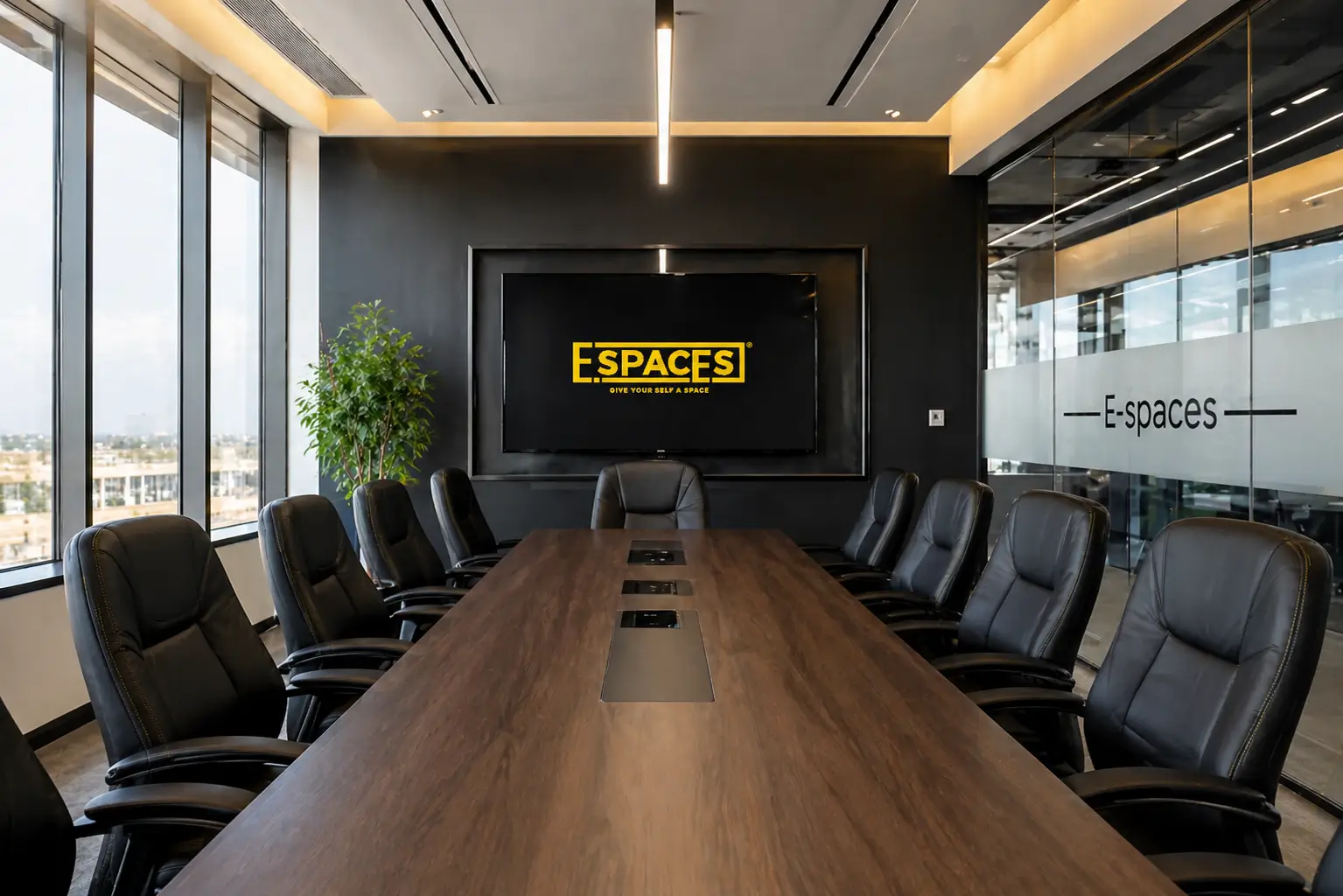
Meeting room requirements play a critical role in how effectively teams communicate, present ideas, and engage with clients.
A well-prepared meeting space supports clarity, focus, and professional delivery, while missing elements can disrupt the entire experience.
From layout and size to technology and environment, understanding what makes a meeting room truly effective helps businesses create better outcomes for every type of meeting.
What are the Essential Meeting Room Requirements for Success?
A successful meeting room is not defined by space alone, but by how well it supports communication and interaction.
The goal is to create an environment where participants can focus, collaborate, and make decisions without distractions.
Core Physical Requirements
- Ergonomic seating that supports long sessions
- Tables arranged to encourage visibility and interaction
- Adequate lighting that reduces eye strain
- Proper ventilation and temperature control
Functional Requirements
- Clear lines of sight for all participants
- Minimal external noise or interruptions
- Organized space free of clutter
When these elements are combined, the meeting environment becomes a tool that supports productivity rather than a limitation.
A professional meeting is only the start. Experience a modern coworking space designed to help your business grow and succeed with E-spaces.
What Tech Features Should Every Professional Meeting Space Have?
Technology is essential for running efficient and professional meetings, especially when presentations or hybrid setups are involved.
- Must-Have Features
- High-speed, reliable internet
- Presentation screens or projectors
- Power outlets for devices
- Advanced Features
- Video conferencing tools
- Audio systems for larger rooms
- Screen sharing capabilities
Having the right technology ensures smooth communication and prevents interruptions during important discussions.
To avoid technical delays and ensure a smooth presentation, you can book one of our tech-ready – Meeting Rooms – featuring high-speed internet and advanced AV systems.
How to Choose the Right Meeting Room Size for Your Team?
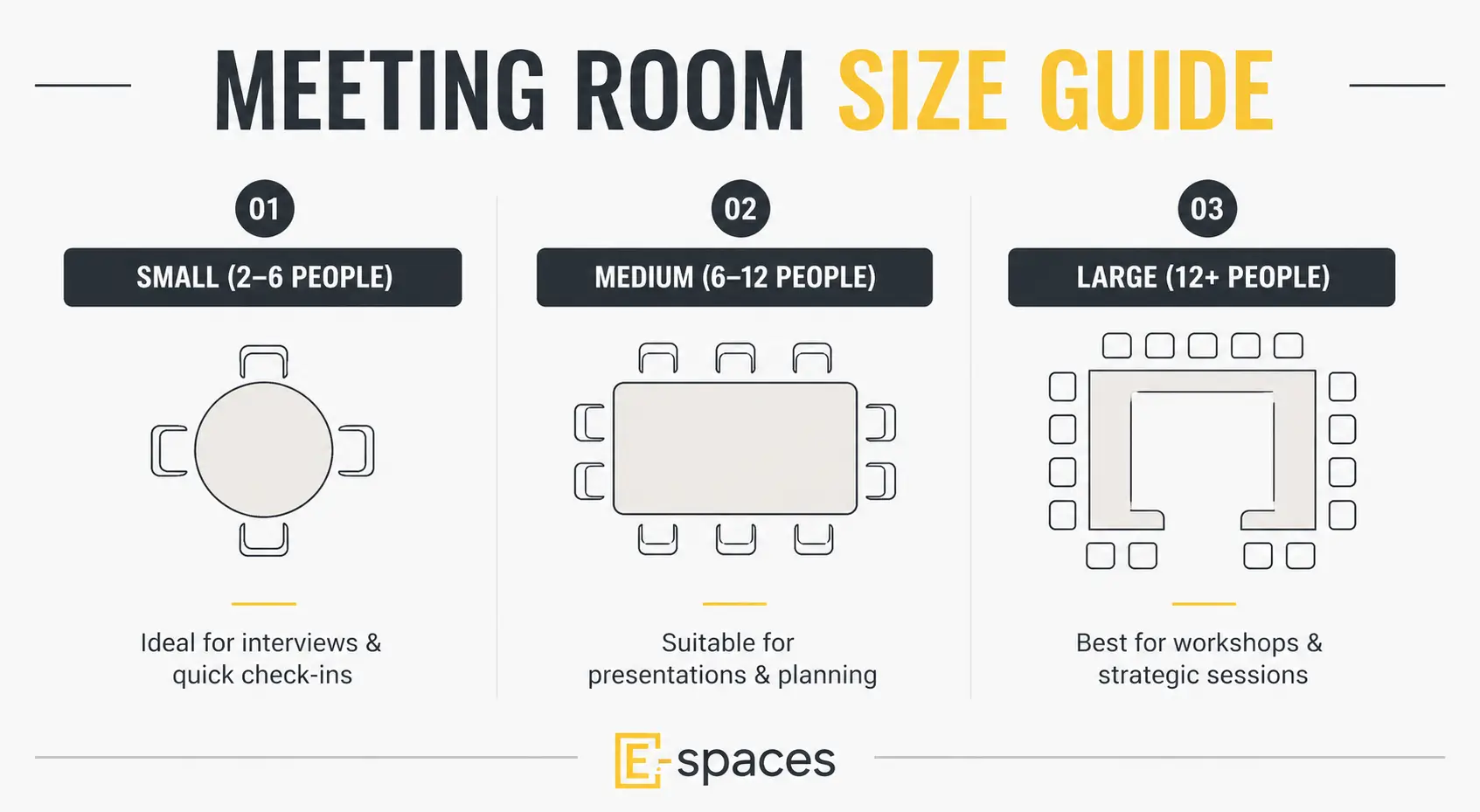
Choosing the correct room size is crucial for both comfort and productivity.
- Small Meetings (2–6 people): Ideal for discussions, interviews, or quick team check-ins.
- Medium Meetings (6–12 people): Suitable for presentations, planning sessions, and team meetings.
- Large Meetings (12+ people): Best for workshops, client presentations, and strategic discussions.
A room that is too small feels crowded, while an oversized room can reduce engagement. The right balance improves communication and focus.
What Are the Specific Requirements for Different Meeting Types?
Not all meetings are the same, and each type has its own requirements.
- Client Meetings: Require a professional setting that reflects credibility and attention to detail. The environment should be polished and distraction-free.
- Internal Meetings: Focus on collaboration and idea sharing. Flexible layouts and comfortable seating are important.
- Presentations and Pitches: Need strong visual support such as screens, projectors, and proper lighting to ensure visibility.
- Hybrid Meetings: Require seamless integration between in-person and remote participants, including strong internet and video tools.
Adapting the room setup to the meeting type significantly improves effectiveness.
Is Your Meeting Room Ready for Clients? (Checklist)
Before hosting a client, preparation is essential to create a strong impression.
- Pre-Meeting Checklist
The room is clean and well-organized
All equipment is tested and functioning
Internet connection is stable
Seating is arranged appropriately
Lighting and temperature are comfortable
- During the Meeting
Ensure no interruptions or noise
Provide easy access to presentation tools
Maintain a professional atmosphere
- Post-Meeting Consideration
Evaluate if the setup supported your objectives
Identify improvements for future meetings
This checklist ensures consistency and professionalism in every client interaction.
Common Mistakes to Avoid When Choosing a Meeting Room
Many businesses overlook small details that can negatively impact meetings.
- Choosing a room that is too small or too large
- Ignoring technology requirements
- Selecting inconvenient locations
- Overlooking noise and distractions
- Not testing equipment beforehand
Avoiding these mistakes can significantly improve meeting outcomes.
Ready to Host Your Next Meeting with E-Spaces?
Espaces provides professional meeting environments designed to support business interactions across multiple locations in Egypt.
With ready-to-use rooms, reliable infrastructure, and flexible booking options, businesses can host meetings without worrying about setup or logistics.
This allows teams to focus on communication, decision-making, and delivering strong impressions.
FAQs
What are the most important meeting room requirements?
Comfortable seating, proper layout, reliable technology, and a distraction-free environment are the most essential elements.
How do I choose the right meeting room?
Consider the number of attendees, type of meeting, required technology, and location.
Do meeting rooms need advanced technology?
Not always, but basic tools like, internet and presentation screens are essential for most meetings.
What is the best layout for meetings?
It depends on the purpose, but boardroom and U-shape layouts are commonly used.
Why is the meeting environment important?
Because it directly affects focus, communication, and the overall outcome of the meeting.
All in all, understanding meeting room requirements helps businesses create environments that support clear communication and professional interactions.
By choosing the right space, layout, and technology, teams can run more effective meetings and deliver better results.
A well-prepared meeting room is not just a space, it is a key factor in successful business communication.