How to choose a training room is a critical decision that directly affects the quality of your sessions and participant engagement. The right environment supports focus, interaction, and effective delivery, while the wrong setup can limit outcomes.
From location and layout to technology and overall atmosphere, several factors determine whether a training space meets your needs and helps you deliver a successful experience.
What Characterizes the Ideal Training Room Environment?
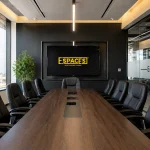
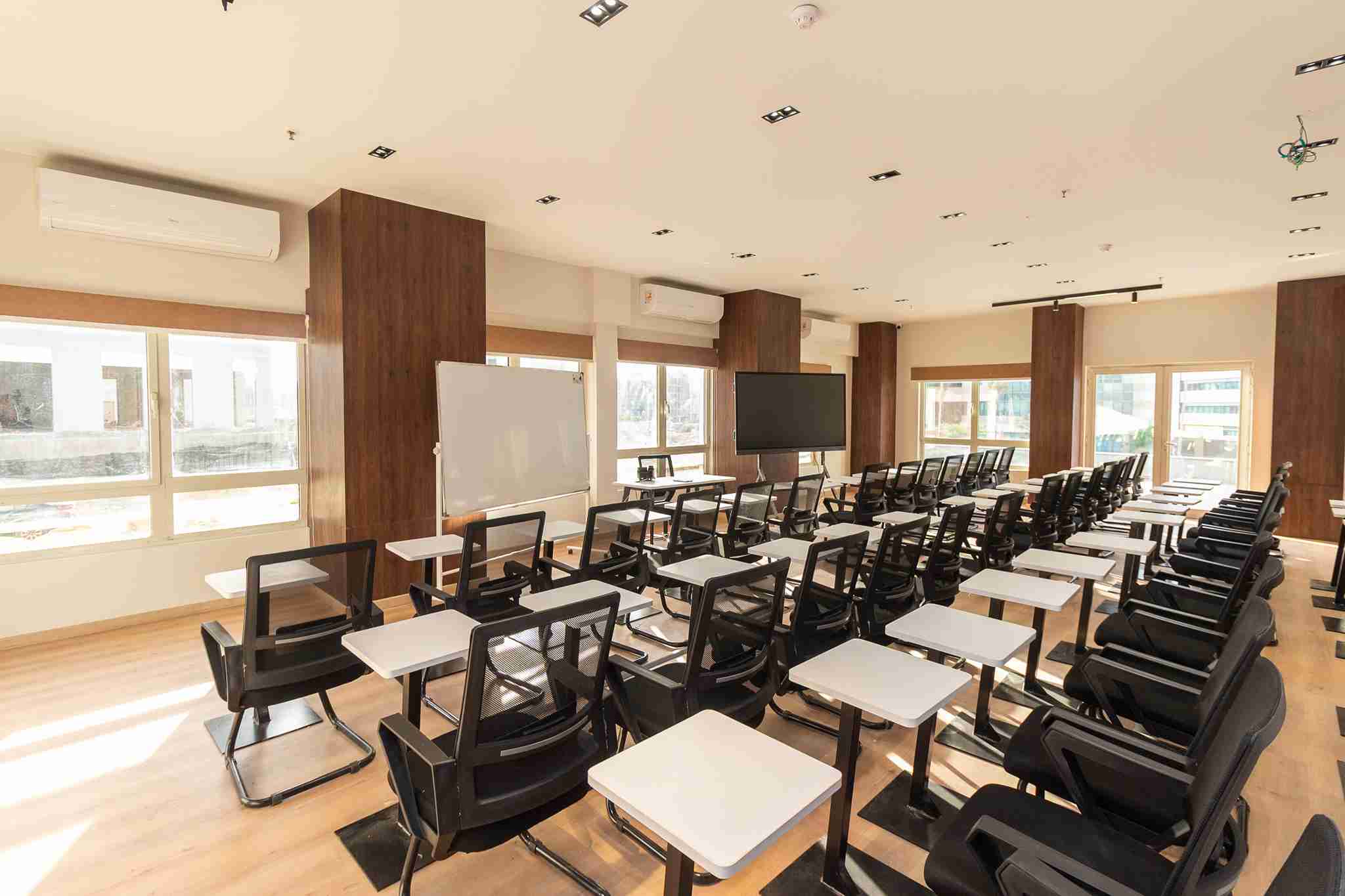
An ideal training room is designed to support learning, interaction, and engagement.
It should provide a balance between comfort and functionality, allowing participants to stay focused for extended periods.
Key elements include proper seating arrangements, good lighting, minimal distractions, and a layout that supports communication between the trainer and attendees.
A well-designed environment directly impacts how information is delivered and absorbed, making it a critical factor in any training session.
Location and Accessibility: Is the Venue Easy to Reach?
Location plays a major role in attendance and punctuality. A training venue should be easily accessible for participants, whether they are coming from different parts of the city or traveling from outside.
- Key Considerations
- Proximity to main roads or business areas
- Availability of parking or public transport
- Ease of navigation and clear directions
Choosing a convenient location reduces delays and ensures participants arrive ready and focused.
Capacity and Layout: Does the Space Fit Your Training Style?
The size and layout of the room should match the type of training you are delivering.
- Room Size: Ensure the space comfortably accommodates all participants without overcrowding.
- Layout Options: Classroom style for structured sessions
- U-shape for discussions: Open layout for workshops and activities
The right layout improves interaction and ensures that participants can engage effectively.
Technology and Equipment: What Should Be Included in the Room?
Technology is essential for delivering professional training sessions.
- Must-Have Equipment
- Presentation screens or projectors
- Reliable internet connection
- Audio systems (if needed)
- Optional Tools
- Whiteboards or flip charts
- Video conferencing tools for hybrid sessions
A well-equipped room ensures smooth delivery and avoids interruptions during the session.
Environment and Atmosphere: How to Keep Participants Focused?
The overall atmosphere of the room influences attention and engagement. Factors such as lighting, noise levels, temperature, and seating comfort all contribute to participant focus. A quiet, well-lit, and comfortable environment helps maintain energy levels and encourages active participation throughout the session.
Support and Amenities: What are the “Nice-to-Have” Facilities?
While not always essential, additional services can improve the overall experience.
- Useful Amenities
- Reception or on-site support
- Refreshments or catering options
- Breakout areas for group discussions
These features enhance convenience and create a more professional training experience.
Cost and Booking: How to Get the Best Value for Your Budget?
Cost should be evaluated based on value, not just price.
- What to Consider
- What is included in the booking (equipment, services, support)
- Flexibility of booking hours
- Transparency of pricing
Choosing the cheapest option may lead to compromises, so it’s important to balance cost with quality.
Professional Training Venues vs. Alternatives: Why Does it Matter?
Some businesses consider using informal spaces such as cafes or office meeting rooms for training. However, these environments often lack the structure and facilities required for effective sessions. Professional training venues are designed specifically for learning and engagement, offering better infrastructure, fewer distractions, and a more focused atmosphere. This results in higher-quality outcomes and a more productive experience.
Why is Espaces the Strategic Partner for Your Trainings in Egypt?
Espaces provides training environments designed to support professional sessions across multiple locations in Egypt.
With ready-to-use rooms, reliable infrastructure, and flexible booking options, businesses can deliver training sessions without worrying about setup or logistics.
This allows trainers and teams to focus on content and delivery rather than operational details.
Final Checklist: Did You Choose the Right Training Room?
Before confirming your booking, review these key points:
- Is the location accessible for all participants?
- Does the room size match your group?
- Is the layout suitable for your training style?
- Are all required tools and equipment available?
- Does the environment support focus and engagement?
- Are the costs clear and within your budget?
This checklist helps ensure that no critical detail is overlooked.
FAQs
What is the most important factor when choosing a training room?
The most important factor is whether the space supports your training objectives, including layout, environment, and available equipment.
How far in advance should I book a training room?
It’s recommended to book in advance, especially for larger groups or peak times.
Can training rooms support hybrid sessions?
Yes, if they are equipped with internet and video conferencing tools.
What layout is best for training sessions?
It depends on the session type, but classroom and U-shape layouts are commonly used.
Are professional venues better than informal spaces?
Yes. They provide better structure, fewer distractions, and a more effective learning environment.
Finally, choosing the right training room is essential for delivering effective and engaging sessions.
By evaluating factors such as location, layout, technology, and overall environment, businesses can ensure a smooth and professional experience.
A well-chosen training space not only improves participant focus but also enhances the overall impact of the session.