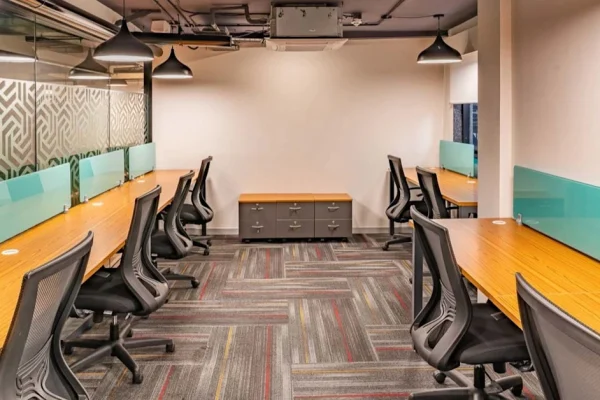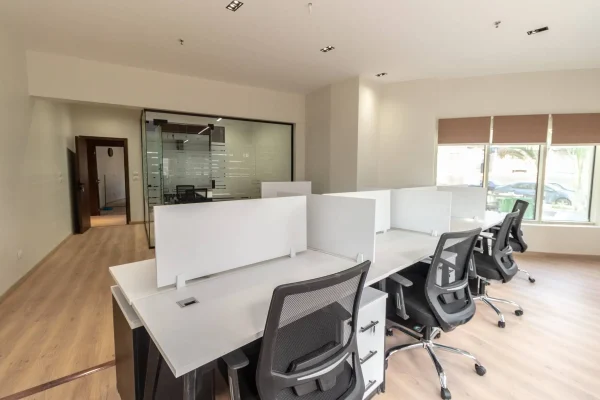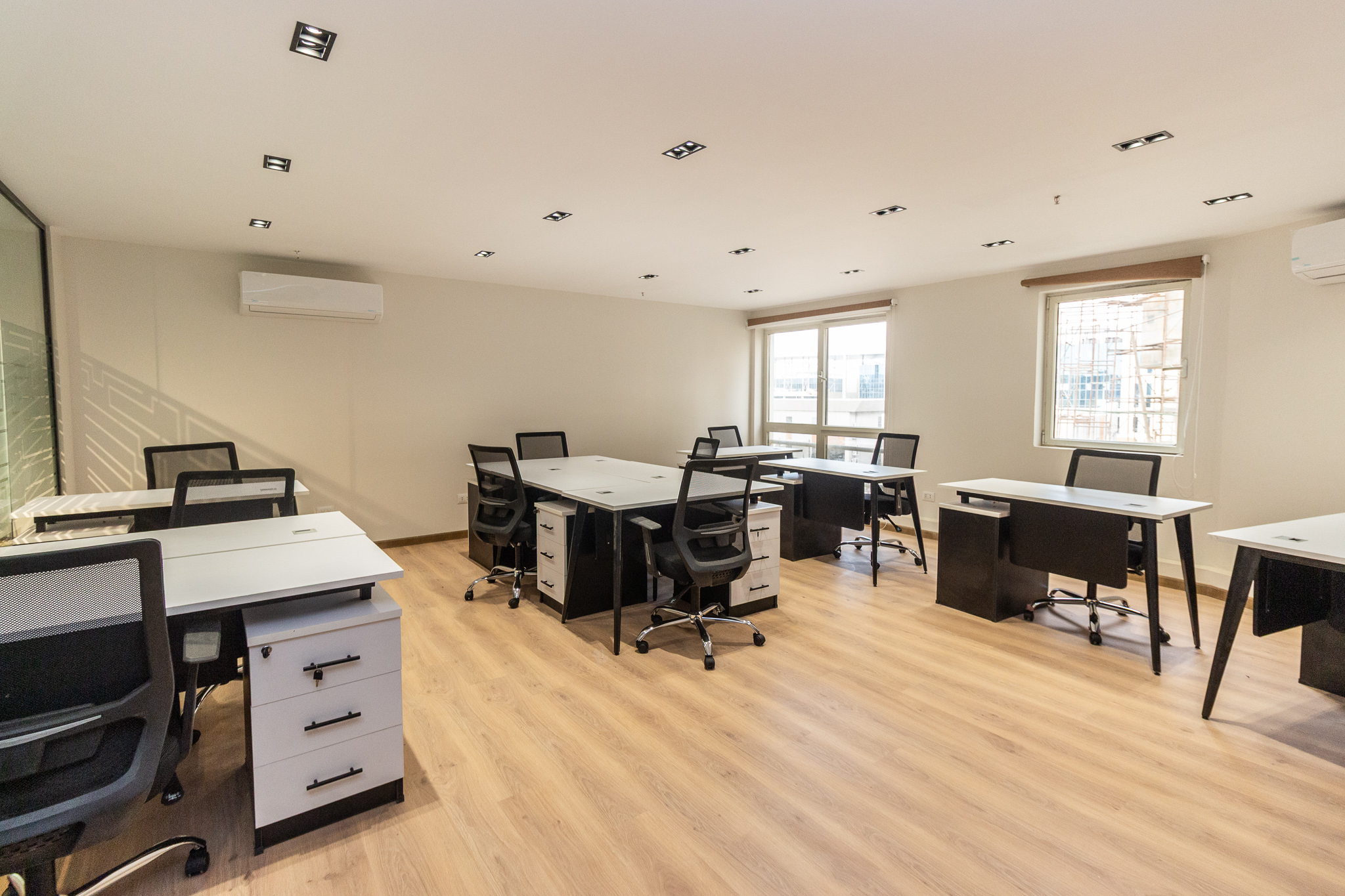
Corporate office space for lease is becoming a strategic choice for companies seeking flexibility, efficiency, and cost control in their operations. As businesses scale, the demand for adaptable workspace solutions grows, whether they need a big office space for rent to accommodate large teams or small offices for rent for focused operations. This shift reflects a move toward smarter real estate decisions that support business growth without long-term operational constraints.
Corporate Office Space for Lease: A Strategic Overview
Corporate office leasing is no longer just a real estate decision, it is a business strategy.
Companies today evaluate Private office space based on flexibility, scalability, and long-term operational impact rather than just location or size.
Modern organizations are increasingly shifting away from traditional fixed leases toward managed and flexible office solutions that reduce risk and improve adaptability.
This allows businesses to align their workspace strategy with their growth trajectory instead of being locked into long-term commitments that may not match future needs.
Traditional Lease or Managed Space: Which Strategy Fits Your Growth?
Choosing between a traditional lease and a managed workspace depends on how a company plans to grow and operate.
Traditional Lease Model
This model offers full control but comes with long-term commitments, high upfront costs, and operational responsibilities such as maintenance, utilities, and fit-out expenses.
Managed Office Spaces
These provide flexibility, reduced setup time, and predictable costs, making them more suitable for companies that prioritize agility and operational efficiency.
In many cases, fast-growing companies prefer managed spaces because they eliminate operational burden and allow leadership to focus on core business activities.
Evaluating Total Cost of Occupancy (TCO): Avoiding Budget Leaks
Total Cost of Occupancy (TCO) goes beyond rent. It includes all direct and indirect costs associated with operating an office. These often include:
- Office setup and furnishing
- Maintenance and utilities
- IT infrastructure and support
- Facility management
- Downtime and inefficiencies during setup or relocation
Many companies underestimate these costs, which leads to budget leaks over time. A strategic workspace decision should always account for the full cost structure, not just the monthly rent.
Scalability Without Friction: Why Flexibility is the New Standard
Scalability is a critical factor in today’s business environment. Companies rarely maintain static team sizes, which makes fixed office spaces inefficient in many cases.
- Flexible office solutions allow businesses to:
- Expand teams without relocation delays
- Reduce space during restructuring phases
- Adjust layouts based on operational needs
- Enter new markets faster
This eliminates friction in growth cycles and ensures that workspace supports business evolution rather than restricting it.
High-Performance Infrastructure: What Your Team Actually Needs
Modern corporate teams require more than just desks and meeting rooms. Infrastructure plays a key role in productivity and operational success.
- Essential components include:
- Reliable high-speed connectivity
- Secure and stable working environments
- Meeting and collaboration spaces
- Technical and administrative support systems
A workspace that lacks these fundamentals directly impacts performance, communication, and efficiency.
Operational Efficiency: Focus on Business, Not Facilities
One of the biggest advantages of modern workspace solutions is operational efficiency. Instead of allocating internal resources to manage office operations, companies can redirect focus toward:
- Business development
- Client acquisition
- Team performance
- Strategic growth initiatives
This shift reduces operational overhead and allows leadership teams to concentrate on high-value activities instead of facility management.
Why Espaces is the Ideal Partner for Corporate Office Space for Lease in Egypt?
Espaces provides corporate workspace solutions designed to support businesses operating in dynamic and competitive markets like Egypt.
With multiple locations across key business areas, companies gain access to ready-to-use office environments that support both daily operations and long-term growth strategies.
The model allows organizations to reduce operational complexity while maintaining a professional business presence across strategic locations.
FAQs
What is a corporate office space for lease?
It is a workspace solution designed for businesses that need fully functional office environments without the long-term commitments of traditional leases.
What is the difference between big office space for rent and small offices for rent?
Big office spaces are designed for larger teams and scaling companies, while small offices are better suited for focused teams or early-stage business operations.
Is leasing office space better than buying or setting up a traditional office?
In many cases, leasing is more cost-efficient and flexible because it reduces upfront investment and operational responsibilities.
What factors should companies consider before leasing an office space?
Key factors include location, scalability, infrastructure quality, total cost of occupancy, and flexibility of the lease terms.
Finally, choosing the right corporate office space for lease is no longer just a real estate decision, but a long-term business strategy that impacts cost efficiency, productivity, and scalability.
Whether a company is looking for a big office space for rent to support expansion or small offices for rent to optimize operations, the focus is shifting toward flexible solutions that adapt to business growth.
Ultimately, the right workspace choice enables organizations to operate more efficiently while maintaining the agility needed in today’s competitive market.